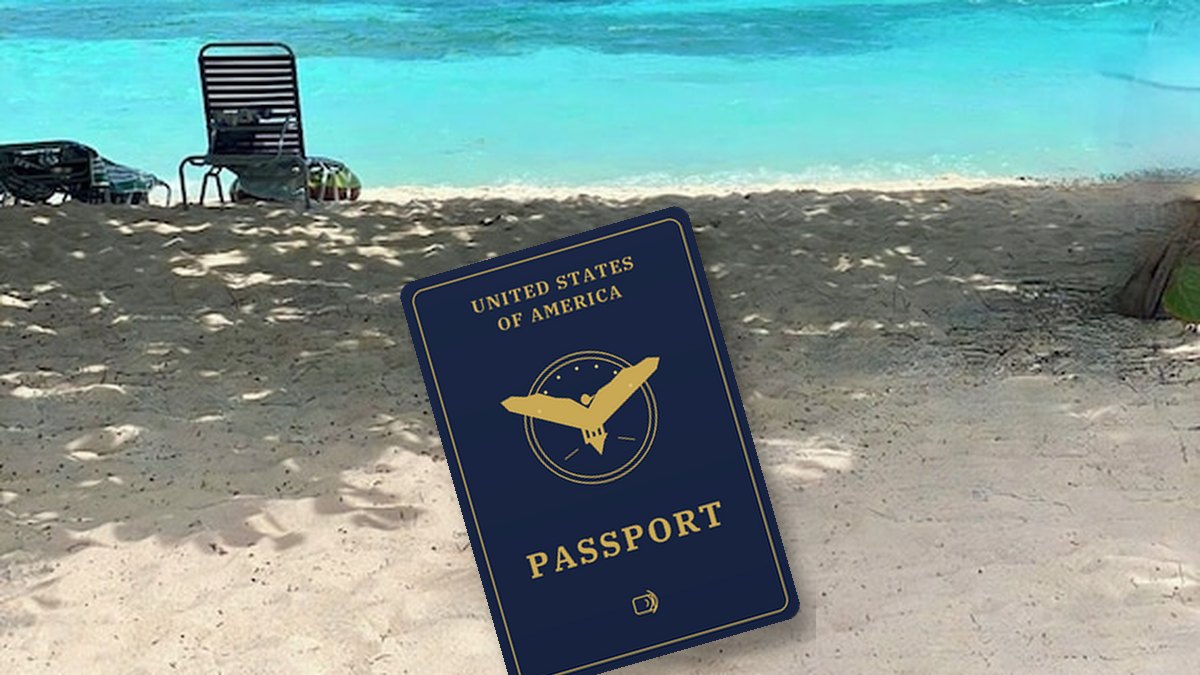
US Virgin Islands (St. Thomas, St. John, St. Croix): No passport for US citizens. It’s domestic travel — just bring a REAL ID-compliant driver’s license (or a passport) to board the flight.
British Virgin Islands (Tortola, Virgin Gorda, Jost Van Dyke): Yes — a passport is required. It’s a foreign country. Passport book if you fly; a passport card also works if you take the ferry.
Why the two answers are so different
People say “the Virgin Islands” as if it’s one place, but you’re really talking about two jurisdictions that happen to sit a few miles apart in the same turquoise water.
- The US Virgin Islands (USVI) are an unincorporated US territory. Flying there from the mainland is a domestic flight — the same, legally, as flying to Florida. No immigration, no customs on arrival.
- The British Virgin Islands (BVI) are a British Overseas Territory — a separate country with its own immigration and customs. Crossing over, even for a lunch stop at the Soggy Dollar Bar, is international travel.
That single distinction drives everything below. The moment your trip touches the BVI — by air or by boat — you need a passport.
What each ID actually gets you
Here’s the whole picture on one card. “REAL ID” means a driver’s license with the star in the top corner (or an enhanced license); a standard license without it no longer works for flights as of May 7, 2025.
| Your ID | Fly to the USVI | USVI → BVI by ferry | Fly into the BVI |
|---|---|---|---|
| US passport book | ✅ Yes | ✅ Yes | ✅ Yes |
| US passport card | ✅ Yes | ✅ Yes | ❌ No — not valid for air |
| REAL ID driver’s license | ✅ Yes | ❌ No | ❌ No |
| Standard license (no star) | ❌ No* | ❌ No | ❌ No |
*A non-REAL ID license won’t clear TSA on its own since May 2025 — but you can still fly if you show another accepted ID, such as your passport.
The US Virgin Islands: leave the passport at home (but bring a REAL ID)
For US citizens, a trip to St. Thomas, St. John, or St. Croix needs no passport. There’s no immigration booth when you land at Cyril E. King Airport (STT) or Henry E. Rohlsen Airport (STX) — you walk off the plane like any domestic arrival.
What you do need is a valid ID to get through TSA on the way down. Since REAL ID enforcement began May 7, 2025, that license has to be REAL ID-compliant (look for the star). If yours isn’t, a passport, passport card, or other TSA-accepted ID works instead. Children under 18 flying with an adult generally don’t need their own ID for a domestic flight.
One quirk on the way home: USVI departures pass through a USDA agricultural inspection at the airport (they’re screening for restricted plants and produce, not checking passports). You also get an unusually generous $1,600 duty-free allowance — one of the real perks of shopping in the territory. We cover that in the STT customs & Mobile Passport Control guide.
Even if you’re “only” doing the USVI, bring your passport book anyway. BVI day trips — Jost Van Dyke, The Baths, the Willy T — are the highlight of a lot of USVI vacations, and they’re easy to book on a whim once you’re there. Without a passport in your bag, that door is closed.
The British Virgin Islands: passport required, full stop
The BVI are a foreign country, so every US citizen — adult or child — needs a valid passport to enter, plus you’ll clear BVI immigration and customs on arrival and again when you re-enter the US. What kind of passport you need comes down to how you get there.
If you fly into the BVI (Tortola / EIS)
International air travel requires a passport book. A passport card is not accepted for flights — the same is true of the connecting hops through San Juan (SJU) or St. Thomas. Book it, bring it.
If you take the ferry from the USVI (the common way)
Most visitors reach the BVI by passenger ferry from Red Hook or Charlotte Amalie on St. Thomas, or from Cruz Bay on St. John. Because that’s a sea crossing, you have a second option: a US passport card is valid for entering the US by sea from the Caribbean, so it works for the round-trip ferry. A passport book works too, of course. What won’t work: a driver’s license, a REAL ID, or a birth certificate alone (for adults).
Whichever way you go, budget for BVI entry costs — customs fees, the environmental levy, and NPT charges add up. We break down every line in BVI Customs & Entry Fees Explained.
Passport book vs. passport card, in plain English
The passport book is the familiar navy booklet. It works everywhere — air, land, and sea, to every country. It’s the only US document that lets you fly internationally.
The passport card is a wallet-sized card that’s cheaper and easier to carry. Its one limitation is the important one here: it’s valid only for land and sea entry to the US from Mexico, Canada, the Caribbean, and Bermuda — never for international flights. For a USVI trip with a ferry day-trip to the BVI, a passport card technically covers you. For anything involving a plane to the BVI, you need the book.
If you’re deciding what to get: the book is the safe, do-everything choice. Get the card only as a low-cost backup or if you’re certain you’ll only ever cross by ferry.
Want to skip the customs line coming home? You need the book
Here’s a reason to carry the passport book even if you’re only crossing to the BVI by ferry: it’s the document that unlocks the fast programs for clearing US customs when you come back through St. Thomas.
The one worth setting up is Mobile Passport Control (MPC) — a free CBP app that gives you a dedicated, shorter customs lane at Cyril E. King Airport (STT), with no enrollment and no fee. The catch is right there in the eligibility rules: MPC works with a US passport book only. A passport card can get you across on the ferry, but it will not load into the MPC app — so if you clear US customs at STT on a card, you’re stuck in the standard line while book-holders walk the express lane. Full walkthrough here: Skip the customs line at STT with Mobile Passport Control.
The same book-required logic applies to Global Entry. It’s the fastest option of all (kiosk instead of a line, plus TSA PreCheck), but it costs $120, requires an interview — and, like MPC, is built around the passport book. Neither program recognizes a passport card or a driver’s license. Bottom line: if expediting customs matters to you, the passport book isn’t optional. Before you fly home, it’s also worth checking live STT airport wait times so you know how long the regular queues will be.
| Expedited customs option | Needs a passport book? | Cost |
|---|---|---|
| Mobile Passport Control | ✅ Yes — book only, no card | Free |
| Global Entry | ✅ Yes — book only, no card | $120 / 5 years |
| Standard customs lane | Passport book or card both work | Free (but slowest) |
Traveling with kids
- USVI: No passport needed for US-citizen children. Minors under 18 flying with an adult typically don’t need their own ID on a domestic flight.
- BVI by air: Every child, including infants, needs a passport book to fly in.
- BVI by ferry: US-citizen children under 16 may re-enter the US by sea with a certified copy of their birth certificate. It’s allowed — but a passport book for each child avoids any hassle at BVI immigration, so we recommend it.
A few things people get wrong
- “It’s all one Virgin Islands, right?” No. The border between the USVI and BVI is a real international border, in the middle of the water.
- “My REAL ID is basically a passport now.” Only for domestic flights. It does nothing for you at a foreign border like the BVI’s.
- “I’ll just bring the passport card, it’s a passport.” Fine for the ferry — useless if your plans shift to a flight into Tortola.
- “Passports don’t expire that fast.” Check the date now. Many countries want six months of validity remaining; renew early if you’re close.
Planning a hop over to the BVI?
Check live USVI–BVI ferry schedules and departure points, or line up a private day charter to Jost Van Dyke and The Baths — passport in hand.
USVI–BVI Ferry Schedules →Frequently asked questions
Do I need a passport to visit the US Virgin Islands?
No. The USVI are a US territory, so for US citizens it’s domestic travel — no passport, no customs on arrival. You just need a TSA-acceptable ID to board, which since May 7, 2025 means a REAL ID-compliant license or another accepted document like a passport.
Do I need a passport to visit the British Virgin Islands?
Yes — the BVI are a separate country. US citizens need a valid passport. A passport book if you fly into Tortola (EIS); a passport card also works if you arrive by ferry from the USVI.
Can I use a passport card instead of a passport book for the BVI?
Only by sea. A passport card is valid for entering the US by land or sea from the Caribbean, which covers the USVI–BVI ferry. It is not valid for international flights, so it can’t be used to fly into or out of the BVI.
Do I need a passport book to use Mobile Passport Control or Global Entry?
Yes. Both ways of expediting US customs at St. Thomas — the free Mobile Passport Control app and paid Global Entry — work with a passport book only. A passport card cannot be loaded into the MPC app or used for Global Entry, so if you want the express lane on the way home from the BVI, carry the book even if you crossed by ferry.
Can I fly to the USVI with just my driver’s license?
Yes, if it’s REAL ID-compliant (or you carry another accepted ID such as a passport). A driver’s license alone will not get you into the BVI — that needs a passport.
Do children need a passport for the Virgin Islands?
Not for the USVI. For the BVI, every traveler needs a passport to fly in; US-citizen children under 16 may re-enter the US by ferry with a birth certificate, but a passport book for each child is the simplest option.
Is there customs between the US mainland and the USVI?
No immigration or customs — it’s domestic. On the way home there’s a USDA agricultural inspection at the airport, and you get a $1,600 duty-free allowance if you shopped in the territory.
Everything you need for a USVI + BVI trip
Ferries, charters, taxi fares, and customs — the whole USVI/BVI travel companion in one place.
Explore VIslandGuide →