Nothing planned yet
Add activities from the suggestions below
Grocery run — Cost-U-Less or Pueblo for villa provisions
Water taxi to Lovango Cay day pass
Pack bags, check out of villa or hotel
Rent a car — explore on your own schedule
Taxi to Charlotte Amalie waterfront
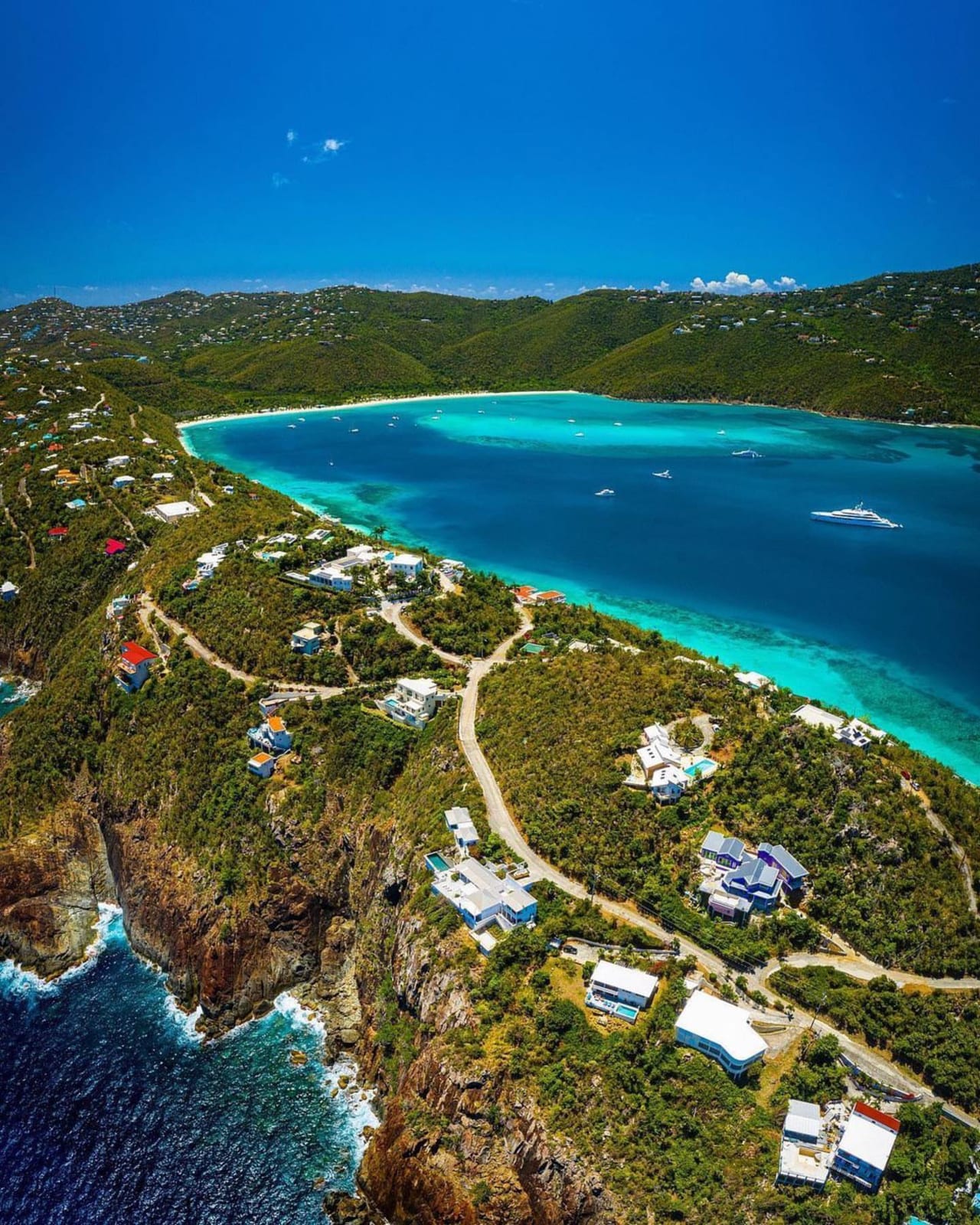
Magens Bay Beach Bar — rum punch by the sand
Paddleboard yoga session, Morningstar Beach
Anchor at Christmas Cove — dinghy to Pizza Pi
Sunset sail from Charlotte Amalie
Night sail under the stars, USVI waters
Planning a Virgin Islands trip — questions
How many days do you need to see the Virgin Islands?
A week (7 days) is a good minimum to experience both the USVI and BVI. Three to four days covers St. Thomas and St. John comfortably. Add 2–3 more days for Tortola and Virgin Gorda. Ten days or more lets you explore Jost Van Dyke and Anegada. Even a long weekend (3–4 days) on St. Thomas and St. John is a rewarding trip.
What is the best itinerary for a week in the Virgin Islands?
A popular one-week USVI/BVI itinerary: Day 1 — arrive St. Thomas, explore Charlotte Amalie. Day 2 — Magens Bay and island sightseeing. Day 3 — ferry to St. John, hike and beach. Day 4 — more St. John beaches (Trunk Bay, Cinnamon Bay). Day 5 — ferry to Tortola, Road Town and Cane Garden Bay. Day 6 — day trip to Virgin Gorda and The Baths. Day 7 — ferry back to St. Thomas, depart.
Should I stay on St. Thomas or St. John?
St. Thomas has more hotels, restaurants, nightlife, and the main airport (STT). It is a better base if you want convenience and variety, or if you plan to fly around the region. St. John is quieter and more natural, with 60% of the island protected as US National Park. Ideal for beach lovers, hikers, and those seeking a slower pace. A popular approach is to base in St. Thomas and take day trips to St. John.
Do I need a rental car in the Virgin Islands?
On St. Thomas and St. Croix, a rental car is useful for flexibility, especially to reach beaches like Magens Bay or Cane Bay. On St. John, renting a Jeep gives access to remote beaches and trails. In the BVI, a car is helpful on Tortola and Virgin Gorda. Note: traffic drives on the left in the USVI and BVI, but most rental cars have the steering wheel on the left.
Can I visit both the USVI and BVI in one trip?
Yes. Ferry services connect St. Thomas and St. John (USVI) with Tortola, Virgin Gorda, Jost Van Dyke, and Anegada (BVI). A valid passport is required for BVI entry. Plan for a 30–45 minute ferry crossing plus 60–90 minutes early arrival for customs. A 7–10 day trip comfortably covers highlights of both territories.
What is there to do in the Virgin Islands besides beaches?
Beyond beaches, the Virgin Islands offer: hiking in Virgin Islands National Park (St. John), snorkeling Buck Island National Monument (St. Croix), exploring Charlotte Amalie's historic Danish colonial district (St. Thomas), sailing and yacht charters, kayaking and paddleboarding, world-class diving at sites like Cane Bay Wall (St. Croix), duty-free shopping, and visiting historic sugar plantation ruins throughout the islands.
Is it safe to travel to the US Virgin Islands?
The USVI is a US territory subject to US laws. Tourist areas on St. Thomas, St. John, and St. Croix are generally safe. Standard travel precautions apply: avoid isolated areas at night, secure valuables, and stay aware of your surroundings. St. John (Virgin Islands National Park) is particularly safe. The State Department does not issue travel warnings for the USVI.
What currency is used in the Virgin Islands?
The US Dollar (USD) is used throughout both the US Virgin Islands and the British Virgin Islands. Credit cards are widely accepted in both territories. Some small restaurants, taxis, and boat operators in the USVI prefer cash — it is useful to carry some dollars.
Also on VIslandGuide
Share this page